Monterey Bay Whale Watching
Tours & tickets

Hand-picked by our editors — only the best 5 expeditions from 127 reviewed.

Open today 08:00 – 18:00
Attendance: Moderate — autumn season
Check local sea conditions before departure.
Free cancellation Instant confirmation Mobile voucher Verified partner Skip-the-line
Tickets

Choose your ticket

Verified partners for every tour, free cancellation where available, and instant confirmation on every booking.

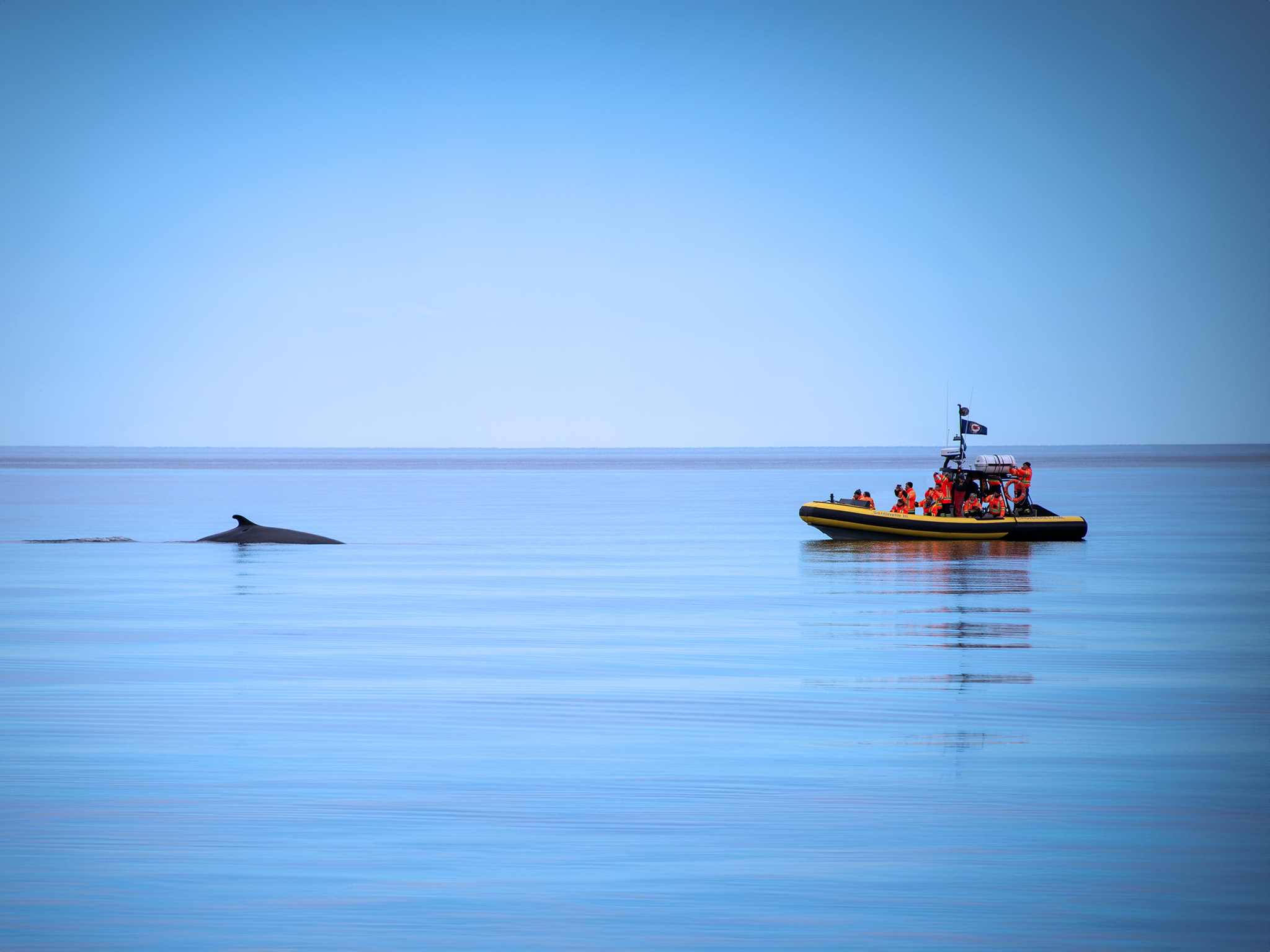
Zodiac Whale Watching in Saguenay Marine Park 2 hr 30 min
Standard Entry

Zodiac Whale Watching in Saguenay Marine Park

★ 4.4 (3385)
€93
per person
Instant Mobile voucher Flexible — change up to 24h

Glide at water level through prime whale territory aboard a swift Zodiac with certified naturalist guides

Reserve
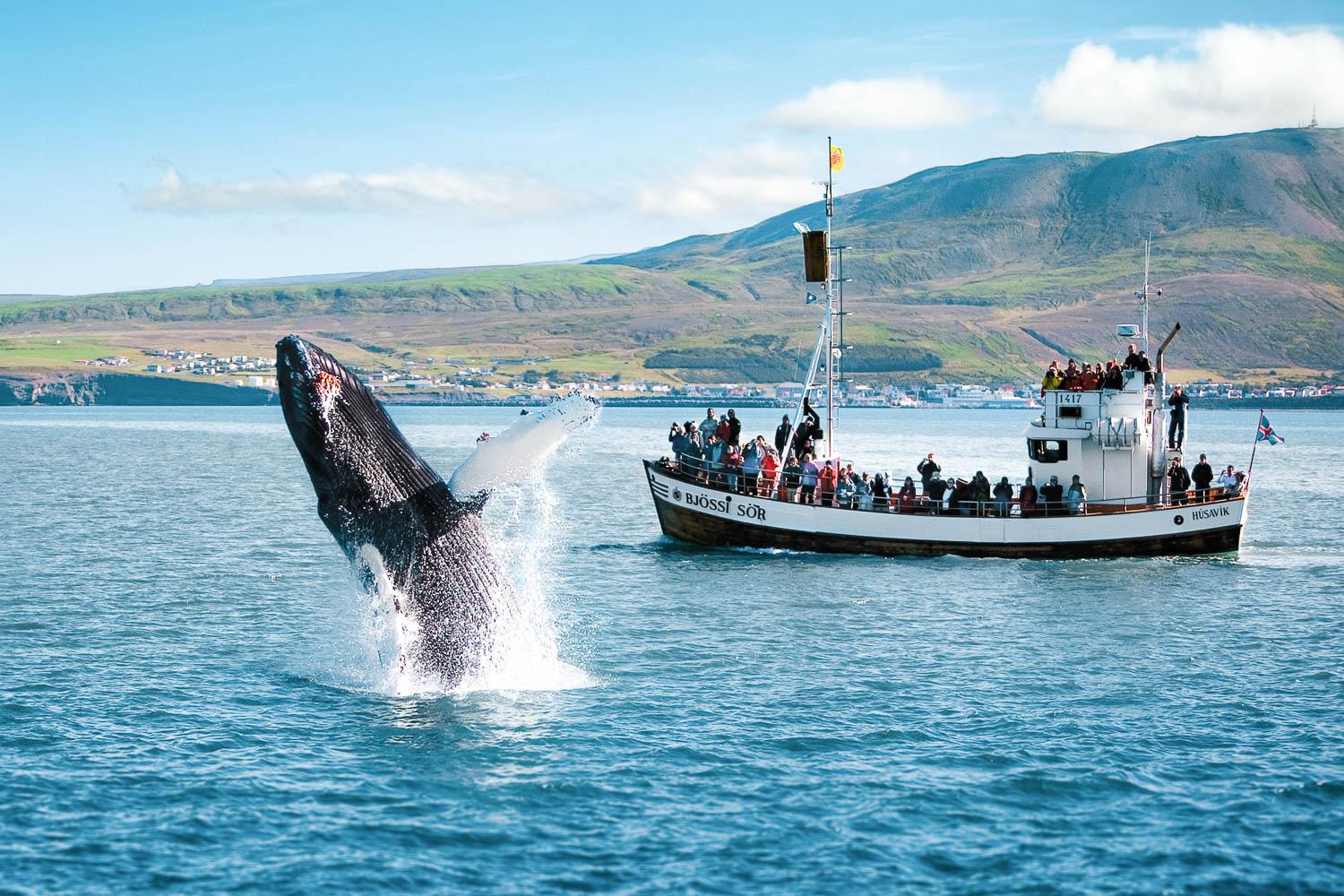
Húsavík Whale Watching on Traditional Oak Vessel 3 hr
Standard Entry

Húsavík Whale Watching on Traditional Oak Vessel

★ 4.6 (3072)
€86
per person
Instant Mobile voucher Flexible — change up to 24h

Set sail across Skjálfandi Bay aboard an authentic Icelandic oak boat to spot whales and dolphins in Arctic waters

Reserve

Prices from verified partners. Availability updates in real time at checkout. Free cancellation policies apply where shown.

What you'll do

Inside a tour, step by step

  1. 01 30 min

    Check-in

    Confirm registration at the marina office

  2. 02 15 min

    Safety Briefing

    Listen to the captain regarding ocean safety

  3. 03 45 min

    Transit to Site

    Cruise through coastal waters toward habitat

  4. 04 2 hours

    Observation

    Maintain distance while watching marine mammals

  5. 05 45 min

    Return

    Navigate back to the departure port

Highlights

What you'll see inside the attraction

The landmarks, rooms, and views travelers on this tour remember — all visible on a single visit.

Breaching Zone

Area where whales frequently jump above the water surface for communication or play. Observing this behavior requires patience and a good vantage point.

Tail Fluke Observation

The underside of the tail provides unique markings for identification. Scientists use these to track migration patterns of specific individuals.

Dorsal Fin Identification

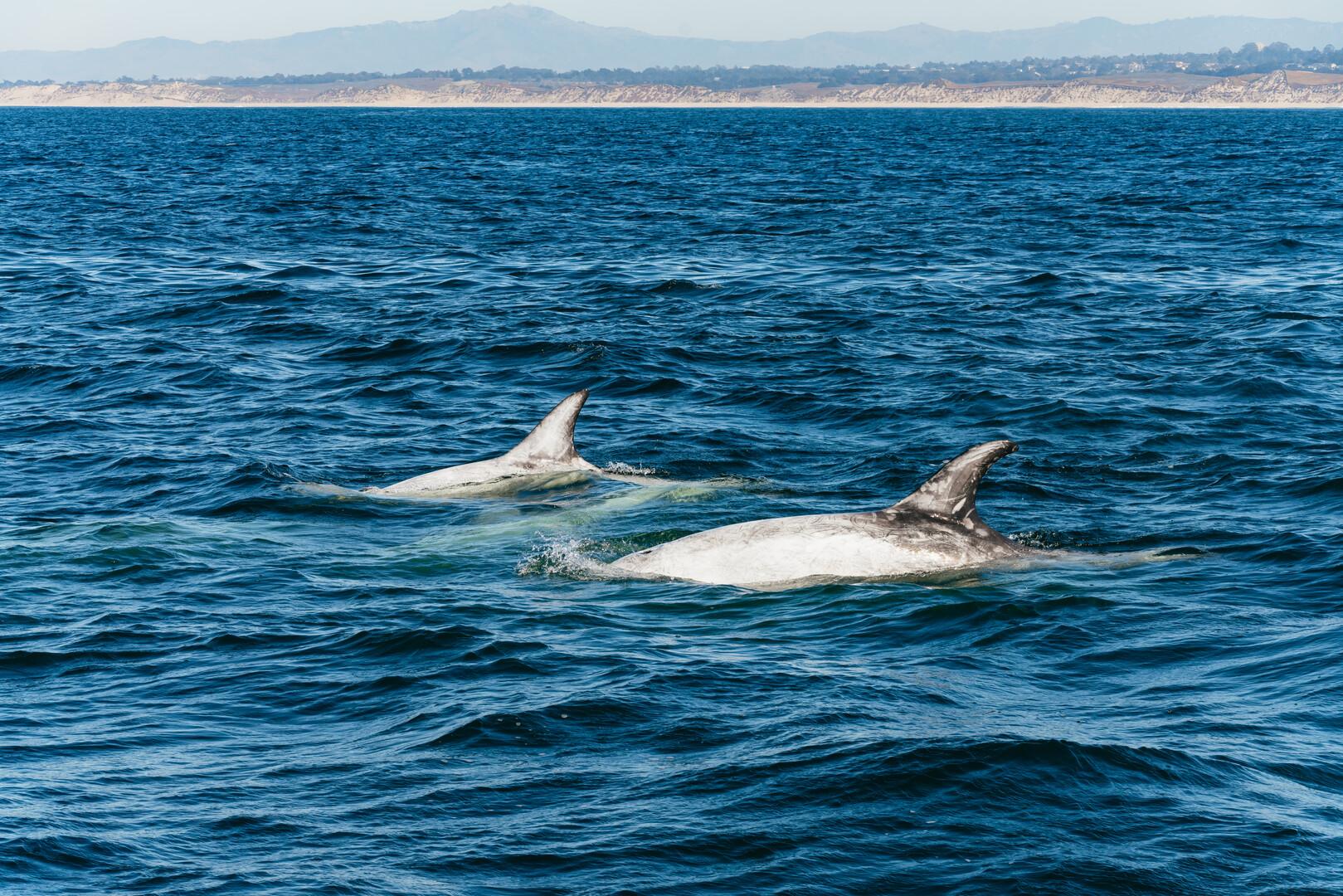
Each species possesses a distinct fin shape and size. Spotting these features is the primary method for identifying different whale species at sea.

Feeding Grounds

Nutrient-rich waters where marine mammals aggregate to hunt. This is the most active period for observing surface feeding behavior.

Ocean Spray Mist

The distinct vapor cloud released through the blowhole. Seeing this mist is often the first sign of an animal in the distance.

Head to head

Whale Watching vs Land-Based Whale Spotting — Which Experience Suits You?

They complement each other; most visitors who prioritize up-close marine mammal encounters find the boat-based whale watching tours more exhilarating than stationary observation.

Feature Top pick Whale Watching Land-Based Spotting
Proximity to Wildlife
Distanced observation from shore
Tour Accessibility
Accessible at any time
Cost
Free access to public coastlines
Physical Requirements
Low impact walking or standing
Reliability of Sightings
Dependent on migration patterns
Environmental Impact
Zero direct marine disruption

Verdict: Choose a dedicated whale watching tour if you want guaranteed maritime expertise and closer access to marine megafauna, or opt for land-based viewing to enjoy flexible, self-paced observation.

How your ticket works

Book your ticket in 3 steps

  1. 01

    Book online

    Choose your ticket, select your date, and reserve in under two minutes. Secure checkout handled by our verified partner.

  2. 02

    Receive your mobile voucher

    Instant confirmation by email, with a mobile voucher you can save offline. No printing, no queuing at a collection desk.

  3. 03

    Show & enter

    Arrive at the entrance, show your voucher on your phone, and walk in. Most tickets include priority or skip-the-line access.

Plan your visit

Everything you need to know before you go

Practical details for your visit straight from our verified partners — hours, access, rules, and how to get there.

Open today · 08:00 – 18:00
Opening Hours
08:00–18:00
Address
Various locations globally
Accessibility
Varies by vessel
Best arrival window
08:00–10:00
Storage
Limited space on board
Navigation
Consult local operator
Mon
08:00 – 18:00
Tue
08:00 – 18:00
Wed
08:00 – 18:00
Thu
08:00 – 18:00
Fri
08:00 – 18:00
Sat
08:00 – 18:00
Sun
08:00 – 18:00
Main entrance

Marina Office

Check your booking confirmation

Confirm location 24 hours prior

Address
Various locations globally
Storage
Limited space on board
Navigation
Consult local operator

How to get there

🚗
Car · Varies · Parking fees apply

Follow signs to the primary commercial marina area.

Dress code

Wear warm, windproof layers even in mild weather, as temperatures drop significantly offshore. Rubber-soled shoes provide the best stability on wet decks.

Bags & security

Keep belongings minimal and secure inside a waterproof bag. Large suitcases are usually prohibited due to limited floor space on whale watching boats.

Photography

Use a camera with a fast shutter speed to capture marine life in motion. Ensure your equipment is protected from saltwater spray with a dedicated cover.

Accessibility

Vessel accessibility varies; check with the specific operator regarding ramp access for wheelchairs. High-speed zodiacs may not be suitable for guests with mobility challenges.

Mobile phones

Mobile devices are permitted for photos but remain your responsibility. Reception is often unavailable once you move further out into the open ocean.

What to bring

  • Binoculars
  • Sunglasses
  • Sunscreen
  • Seasickness medication
  • Warm jacket
  • Camera
  • Waterproof bag

Not allowed

  • Drones
  • Alcohol
  • Glass containers
  • Large tripods
  • Coolers
  • Smoking materials
  • High heels
  • Open-toed sandals
  • Unsecured gear

Families & strollers

Children must be supervised at all times while on deck. Life jackets are provided in various sizes and are mandatory for younger passengers during the whale watching tour.

Food & drink

Most operators allow passengers to bring bottled water and light snacks. Avoid heavy meals before departure if you are prone to seasickness.

Pets

Pets are strictly prohibited on all whale watching vessels for safety reasons. Service animals may be permitted with prior arrangement.

Good to know

Arrival during the best arrival window of 08:00–10:00 is recommended for calm seas. Always follow the captain's instructions regarding distance from wildlife.

Meeting point

Where to find us

Marina Office

Check your booking confirmation

Confirm location 24 hours prior

Get directions
Around your visit

Everything else worth knowing

Best time to go, insider tips, nearby landmarks, and the cancellation fine print — flip through to skim what matters to you.

Best time to visit

How crowds, weather, and events shift across the year.

Spring

Migratory season offers high activity and sightings. Temperatures remain mild for coastal excursions.

Helpful tips for your visit

Small details that turn a good visit into a great one.

Seasickness Prevention

Take motion sickness medication at least one hour before departure. Staying on the upper deck and looking at the horizon helps reduce nausea during whale watching tours.

Nearby landmarks

Non-bookable sights within a short walk — free to visit, easy to pair.

Coastal Lighthouse

5 min

Historical structure overlooking the harbor

Cancellation policy

Flexible, no hidden fees.

Operators typically require cancellations 24 to 48 hours in advance for a full refund. As whale watching is a commercial tour activity, there is no general park entrance fee of 0 USD charged for these experiences.

Where to stay

Hotels & districts near the attraction

Hand-picked options within walking distance — pick a district for vibe, or a specific hotel for convenience.

Harbor Hotel

5 min
luxury

Waterfront views for easy boarding

About

The place, in context

Commercial whale watching began in 1950 when San Diego fisherman Chuck Chamberlain charged one dollar per passenger to observe gray whales migrating along the California coast. Within two decades, the practice had spread to Iceland, Australia, New Zealand and Canada, transforming coastal economies and establishing cetacean conservation as a viable alternative to whaling. Today more than thirteen million people across eighty-seven countries participate in marine mammal observation annually, generating three billion dollars in direct revenue. The activity emerged during a critical transition. International whaling moratoriums in the 1980s allowed depleted populations to recover, and recovered populations made reliable sightings possible. Humpback whales, hunted to fewer than five thousand individuals by 1966, now number over 135,000 globally. North Atlantic right whales remain critically endangered with approximately 350 individuals, while Antarctic minke, fin and blue whale populations continue slow recoveries. These migrations follow nutrient-rich currents and seasonal feeding grounds, creating predictable observation windows in specific coastal corridors. Vessel design shapes the encounter. Traditional oak boats in Húsavík maintain low engine noise and stable platforms for photography. Rigid-hulled inflatable zodiacs used in Saguenay Fjord and the St. Lawrence estuary allow closer approaches under strict distance regulations, typically 100 meters for baleen whales and 50 meters for belugas. Monterey Bay operators navigate the submarine canyon where upwelling currents concentrate krill, attracting humpbacks, blue whales and occasional orcas between April and December. Sydney's continental shelf migration route sees humpbacks traveling from Antarctic feeding grounds to tropical breeding waters, with peak movements occurring June through November. Marine biologists and certified naturalists guide most commercial departures, identifying species by blow patterns, dorsal fin shape and fluke markings. Hydrophones allow passengers to hear vocalizations. Responsible operators follow whale-watching guidelines established by the International Whaling Commission, maintaining minimum distances, limiting vessel numbers per sighting and avoiding sudden directional changes that disrupt feeding or resting behavior. Morning departures between eight and ten capitalize on calmer sea conditions and increased surface activity as whales engage in morning feeding routines.

"Humpback whales, hunted to fewer than five thousand individuals by 1966, now number over 135,000 globally."
Your experience

What a tour day looks like

A step-by-step walkthrough of the visit — what you'll see, how long each stage takes, and the details that matter.

You board at eight, when harbors are quiet and the ocean surface reflects unbroken light. The vessel clears the breakwater and the captain cuts speed, scanning the horizon for blows—vertical plumes of vapor that mark exhalations. Your naturalist briefs the group on species likely in these waters: humpbacks identified by knobbly pectoral fins, gray whales by mottled skin, orcas by towering dorsal fins. Twenty minutes offshore, someone points starboard. A dark shape rolls beneath the surface, then a broad back arcs above the waterline. The fluke rises vertically, water streaming from barnacle-crusted edges, and disappears. You wait. The whale surfaces again, closer now, exhaling with a percussive huff audible across fifty meters. Your naturalist notes the fluke's unique pigmentation pattern and checks it against the catalog—this individual was last photographed three seasons ago. The hydrophone crackles with low-frequency moans, then higher chirps. You watch the animal dive, feeding or resting in water too deep to see. The captain follows at a respectful distance, engine idling. Gulls and shearwaters wheel overhead, marking baitfish schools. Another blow appears a hundred meters ahead. The encounter lasts ninety minutes before the pod moves beyond safe pursuit range and your vessel turns back toward harbor.

Frequently asked

Frequently asked questions about whale watching tours

Are there whale watching tickets available for purchase online?

Yes, you can secure whale watching tickets through authorized commercial tour operators.

What are the typical opening hours for whale watching operations?

Operating hours are 08:00–18:00 daily.

Is there a standard entrance fee for whale watching?

Whale watching is a commercial tour activity; no general park entrance fee applies.

What should I bring on a whale watching tour?

Bring binoculars, a warm jacket, and seasickness medication.

Can I book whale watching tickets for young children?

Most whale watching tours welcome children, provided they can wear a life vest.

How does the cancellation policy work for whale watching?

Check your operator's terms, typically requiring 24–48 hours notice for refunds.

When is the best arrival window for whale watching?

The best arrival window is 08:00–10:00 for the best sea conditions.

Are cameras allowed during whale watching?

Yes, cameras are encouraged for your whale watching experience.

Is photography allowed on whale watching boats?

Photography is permitted, provided you keep your equipment secure.

Are snacks provided on a whale watching tour?

Food availability varies by operator; check your specific whale watching tour details.